Creating an Immersive Environment
The design of a casino goes beyond mere aesthetics; it aims to create an immersive environment that captivates visitors from the moment they step inside. Colors play a crucial role in this experience. Bright reds and golds are often employed to evoke feelings of excitement and luxury, while softer hues can provide a sense of calmness, encouraging patrons to linger longer and enjoy playing online pokies and other games. This strategic use of color not only enhances the visual appeal but also influences the emotions and behaviors of guests.
Lighting is another key element in casino design that significantly affects the atmosphere. Casinos often use dim lighting combined with brightly lit gaming areas to create a contrast that draws attention to various gaming tables and machines. The subtlety in lighting can evoke a sense of mystery and allure, making players feel as though they are in a world away from reality. Additionally, the strategic placement of lights can guide players through the venue, subconsciously leading them to explore different areas.
Sound design is equally pivotal in creating an engaging experience. The sounds of coins clinking, the spins of slot machines, and the cheers of winners work in tandem to create a symphony of excitement. These auditory cues enhance the overall atmosphere, reinforcing the thrill associated with gambling. Moreover, the use of background music, often upbeat and rhythmic, encourages a more energetic environment, which can lead to prolonged visits and increased spending among patrons.
Spatial Layout and Flow
The spatial layout of a casino is meticulously designed to optimize flow and maximize engagement. One common strategy involves the creation of a circular or maze-like layout that encourages exploration. By positioning gaming tables and machines in a way that encourages patrons to wander, casinos can increase the likelihood of players encountering new games and experiences. This design strategy effectively prolongs their stay and boosts overall spending.
Moreover, the inclusion of rest areas, bars, and dining options throughout the casino can significantly enhance the experience. These spaces provide opportunities for players to take breaks, socialize, and regroup, making the environment feel more welcoming and less overwhelming. By integrating relaxation zones into the layout, casinos can keep patrons refreshed and ready to return to gaming, ultimately increasing the amount of time spent in the venue.

Wayfinding elements, such as signage and landmark features, are also crucial in guiding guests through the complex layouts of casinos. By providing clear directions and unique focal points, casinos can reduce confusion and streamline the experience. This thoughtful approach to spatial design not only enhances comfort but also encourages patrons to explore further, discovering more gaming options and amenities along the way, which can lead to increased revenue for the establishment.
The Role of Rewards and Incentives
Psychological principles related to rewards and incentives are deeply embedded in casino design, influencing how patrons engage with the gaming environment. Loyalty programs are a prime example of this strategy. By offering rewards for continued play, casinos motivate guests to return and play for longer periods. The thrill of earning points toward future rewards can create a powerful sense of attachment and investment in the casino experience, leading to repeat visits.
In addition, the design of slot machines and gaming tables often incorporates features that enhance the sensation of winning. Elements such as visual stimuli, sound effects, and animations that accompany wins serve to reinforce positive feelings. This creates a feedback loop where players are encouraged to continue playing, as the experience becomes associated with excitement and potential success. The psychology of variable rewards, where outcomes are unpredictable, also plays a crucial role in keeping players engaged and motivated.
The social aspect of gambling is another layer of the reward system. Many casinos are designed to facilitate social interaction, with gaming tables arranged in a way that encourages camaraderie among players. This social aspect can enhance the enjoyment of the gaming experience, making it more likely that guests will return. The combination of personal rewards, social engagement, and a stimulating environment creates a compelling reason for patrons to return repeatedly, further driving the casino’s revenue.
Appeal to the Senses
Casinos are designed to appeal to all five senses, creating a holistic experience that immerses guests in a unique atmosphere. Visual elements, including architecture and decor, draw guests in with their opulence and grandeur. The strategic use of art, water features, and themed decor not only captivates the eye but also tells a story, making each casino unique. For instance, a tropical theme might transport visitors to an island paradise, further enhancing the escapism associated with gambling.
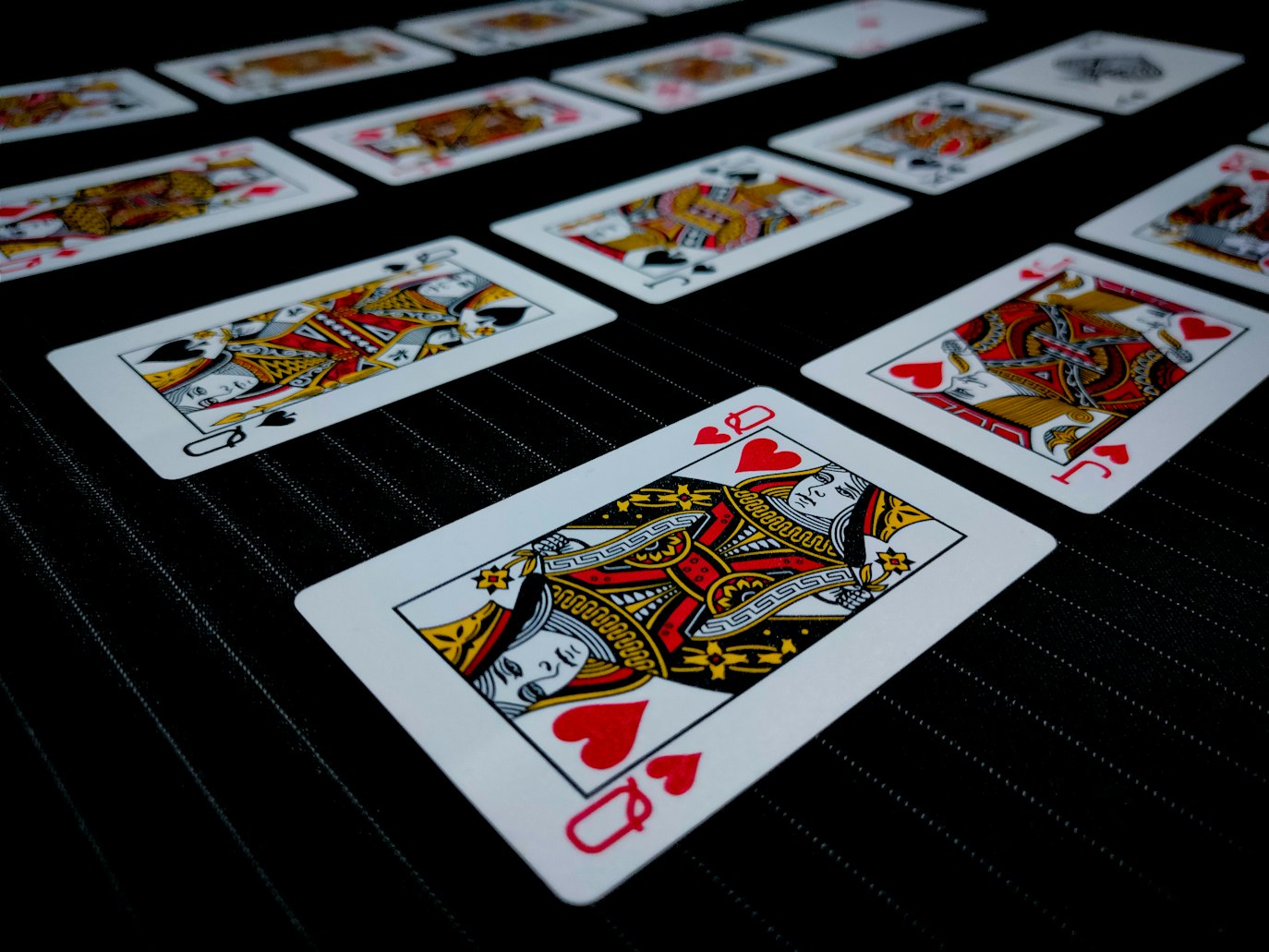
Touch is another critical aspect of the casino experience, where tactile elements like the feel of cards, chips, and the surfaces of gaming tables play a role in engagement. The sensation of handling chips can create a tangible connection to the game, increasing involvement and investment in the experience. This tactile engagement is particularly important in games that require skill, as the physical interaction can enhance the thrill of play.
Sound, as previously mentioned, is essential, but scents are equally influential in establishing an inviting atmosphere. Many casinos use signature fragrances, often subtle and pleasant, to create a sense of luxury and comfort. Scent marketing plays a crucial role in how guests feel while they gamble; it can evoke positive memories and emotions that enhance their overall experience. The seamless integration of sensory elements solidifies the casino’s allure, ensuring that guests have a memorable visit they are likely to repeat.
Website Experience and Design
In the digital age, the design of a casino’s website is as crucial as its physical layout. A well-designed website must seamlessly reflect the casino’s branding while providing a user-friendly experience. Key elements include intuitive navigation, attractive graphic design, and responsive layouts that cater to both desktop and mobile users. An engaging website not only attracts potential customers but also enhances their overall impression and connection to the brand.
Content on the website should echo the immersive experience of the casino itself, employing enticing visuals and descriptive text to convey the atmosphere and offerings. High-quality images and videos can effectively showcase gaming options, entertainment, and dining experiences, helping potential guests to visualize their visit. Furthermore, incorporating customer testimonials and promotional offers can entice users to explore more and plan their visit.
Additionally, the incorporation of interactive elements, such as virtual tours or live chat support, can significantly enhance user engagement. Providing visitors with details about games, events, and promotions through an engaging online platform can lead to increased foot traffic. As the digital extension of the casino experience, a well-optimized website serves as an essential tool to attract and retain customers, making the connection between the online and physical realms vital for success in the gaming industry.
About The Author
